Have you ever walked into a room and felt an instant sense of calm? Often, it’s the soft touches—the plush pillows on the sofa, the inviting stack on the bed—that make a house feel like a home. But what if those small comforts could also represent a bigger commitment to our planet and our well-being? This is the very heart of the Sustainable Pillow Decor Lifestyle, a movement that beautifully marries aesthetics with ethics. It’s about more than just buying another throw pillow; it’s a conscious choice to curate a space that is not only stylish and comfortable but also kind to the earth. Let’s dive into how you can transform your home, one thoughtful pillow at a time.
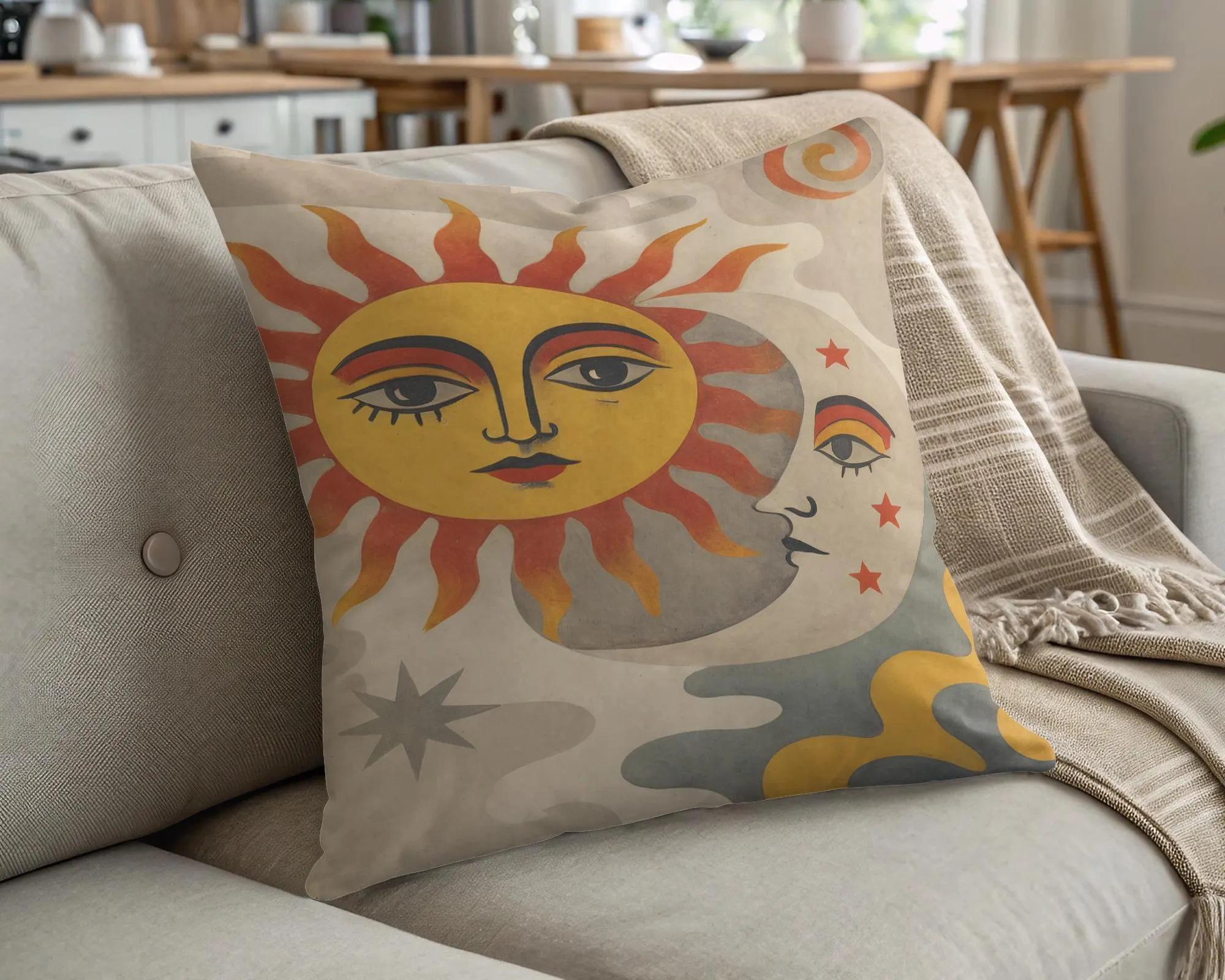
What Exactly is a Sustainable Pillow Decor Lifestyle?
At its core, a sustainable pillow decor lifestyle is an intentional approach to home decorating that prioritizes environmental and social responsibility without sacrificing style or comfort. It means looking beyond the price tag and pattern to understand the entire life cycle of a product.
This lifestyle is built on a few key pillars:
- Mindful Material Selection: Choosing pillows made from natural, renewable, or recycled materials that have a lower environmental impact.
- Ethical Production: Supporting brands that ensure fair labor practices and safe working conditions for their artisans and factory workers.
- Longevity and Durability: Investing in high-quality pieces that are made to last, reducing the need for frequent replacement and curbing our “throw-away” culture.
- End-of-Life Consideration: Thinking about what happens to a pillow when you’re done with it. Can it be composted, recycled, or upcycled?
Adopting this mindset transforms decorating from a passive act of consumption into an active expression of your values.
The Heart of the Matter: Choosing Sustainable Pillow Materials
The material of your pillow cover is your first and most impactful choice. It dictates the look, the feel, and the eco-footprint of your decor. Think of it as choosing the right ingredients for a nourishing meal.
Organic Cotton: The Gentle Giant
Organic cotton is grown without synthetic pesticides or fertilizers, making it safer for farmers, the soil, and your home. It’s known for its softness, breathability, and hypoallergenic properties. Look for certifications like GOTS (Global Organic Textile Standard) to ensure you’re getting the real deal. It’s the versatile, reliable friend in the world of fabrics—perfect for everything from minimalist shams to vibrant, printed accent pillows.
Linen: The Effortlessly Chic Choice
Derived from the flax plant, linen is a true environmental champion. Flax requires significantly less water and pesticides to grow than conventional cotton. The result is a fabric that is incredibly durable, naturally temperature-regulating (cool in the summer, warm in the winter), and gets softer with every wash. Its signature relaxed, slightly rumpled texture brings an air of casual sophistication to any room. A sustainable pillow decor lifestyle often features linen heavily for its timeless appeal.
Hemp: The Resilient Pioneer
Hemp is one of the most sustainable crops on the planet. It grows incredibly fast, requires very little water, and naturally enriches the soil it grows in. As a fabric, hemp is similar to linen in its strength and texture, but it’s even more durable and resistant to mold and mildew. It’s a fantastic choice for pillows in high-traffic areas like family rooms or outdoor patios.
Recycled Materials: Giving New Life
The ultimate in circular design, pillows made from recycled materials—like repurposed plastics (rPET) or reclaimed textiles—divert waste from landfills. Don’t let the “recycled” label fool you; modern textile technology can transform these materials into fabrics that are surprisingly soft and resilient. This option is perfect for the eco-innovator who loves a good story behind their decor.
“When you choose a sustainable pillow, you’re not just decorating a room; you’re casting a vote for a healthier planet. Every material choice, from organic cotton to recycled fibers, tells a story of conscious living.” – Dr. Julianna Croft, Environmental Scientist and Textile Expert.
Here’s a quick comparison to help you choose:
| Material | Feel & Texture | Sustainability Highlights | Best For |
|---|---|---|---|
| Organic Cotton | Soft, smooth, breathable | No pesticides, less water than conventional cotton | Everyday comfort, bedding, sensitive skin |
| Linen | Crisp, textured, gets softer over time | Low water usage, durable, biodegradable | A relaxed, elegant, and timeless aesthetic |
| Hemp | Sturdy, linen-like texture, very strong | Pest-resistant, enriches soil, highly durable | High-use areas, adding rustic texture |
| Recycled Fibers | Varies, often soft and durable | Reduces landfill waste, conserves resources | Making a direct impact on the waste stream |
Beyond the Pillow Cover: Sustainable Fills and Inserts
What’s on the inside counts just as much! A beautiful organic linen cover loses some of its eco-credentials if it’s stuffed with virgin polyester. When embracing a sustainable pillow decor lifestyle, consider these planet-friendly fills.
- Kapok: A silky, cotton-like fiber from the Kapok tree. It’s naturally buoyant, water-resistant, and hypoallergenic. It’s a wonderful plant-based alternative to down.
- Buckwheat Hulls: The outer shells of buckwheat seeds. These create a firm, supportive fill that conforms to your shape. They are often used in meditation and yoga pillows but work for decor, too.
- Recycled Down/Feathers: If you love the plush feel of down, look for inserts made from recycled or reclaimed down that has been sterilized and given a new life.
- Shredded Natural Latex: Sourced from rubber trees, natural latex is resilient, breathable, and resistant to dust mites. Shredded latex provides a soft, yet supportive, feel.
How to Style Your Space for a Sustainable Pillow Decor Lifestyle
Adopting this lifestyle is also about your approach to styling. It’s less about chasing fleeting trends and more about creating a timeless, meaningful space.
- Invest in Quality, Not Quantity: Instead of buying a dozen cheap pillows that will flatten or fade in a year, invest in a few high-quality, sustainably made pillows. They’ll look better, last longer, and save you money in the long run.
- Embrace Natural Textures: Let the materials do the talking. The nubby texture of hemp, the gentle crinkle of linen, and the smooth touch of organic cotton add depth and interest to your space without needing loud patterns.
- Think in Layers: Mix and match different sustainable materials and sizes. A large linen pillow paired with a smaller, textured hemp one and a soft organic cotton lumbar pillow can create a visually stunning and inviting arrangement.
- Choose Timeless Colors: Opt for a color palette inspired by nature—earthy tones, soft neutrals, and deep blues or greens. These colors have staying power and create a serene atmosphere. You can always add a pop of seasonal color with a single, vibrant pillow cover rather than replacing the whole set.
Extending the Life of Your Pillows: The True Test of Sustainability
The most sustainable product is the one you already own. Caring for your pillows properly is a cornerstone of the sustainable pillow decor lifestyle.
- Read the Care Label: Different natural fibers have different needs. Most linen and cotton covers can be machine washed on a gentle cycle, but always check first.
- Wash Covers Separately: To prevent snagging and damage, wash your pillow covers inside out and separate from items with zippers or hooks.
- Air Dry When Possible: Tumble drying can be harsh on natural fibers. Line drying or laying them flat to dry will preserve the fabric’s integrity and save energy.
- Fluff Your Inserts Regularly: This helps maintain their shape and loft. For fills like down or kapok, a good shake every few days makes a huge difference.
- Upcycle and Repair: Got a small tear? Mend it. Tired of the color? Try a natural fabric dye. When a pillow is truly at the end of its life, see if the cover can be turned into cleaning rags or the fill can be composted (if it’s a natural material like buckwheat or kapok).
Frequently Asked Questions
What is the most eco-friendly pillow material?
While it depends on specific farming and production methods, hemp and linen are often considered top contenders due to their minimal water and pesticide requirements. Organic cotton is also an excellent choice, especially when GOTS certified.
Are sustainable pillows more expensive?
They can have a higher upfront cost because you are paying for higher quality materials and ethical labor. However, their durability means they last much longer than cheap, mass-produced alternatives, making them a more economical and sustainable choice over time.
How can I tell if a pillow is truly sustainable?
Look for third-party certifications like GOTS (Global Organic Textile Standard), Fair Trade, and OEKO-TEX. These labels verify claims about organic materials, ethical labor, and the absence of harmful chemicals, giving you confidence in your purchase.
Can I make my old pillows more sustainable?
Absolutely! Instead of throwing out a pillow with a flattened insert, you can buy a new, sustainable fill and reuse the cover. If you dislike the cover, you can sew a new one from sustainable fabric to go over the old one, giving it an instant and eco-friendly facelift.
How does a sustainable pillow decor lifestyle benefit my health?
Natural, organic materials are free from the harsh chemicals, pesticides, and synthetic dyes found in many conventional textiles. This reduces your exposure to potential irritants and allergens, creating a cleaner, healthier indoor environment for you and your family to rest and breathe easy.
Your Home, Your Sanctuary, Your Statement
Ultimately, embracing a sustainable pillow decor lifestyle is about making your home a true reflection of who you are and the world you want to live in. It’s the simple, powerful act of choosing beauty that doesn’t come at the expense of our planet. Each pillow becomes more than just a decorative object; it’s a small piece of a larger, more conscious story. So take a look at the pillows in your home. Are they telling the story you want to tell?